
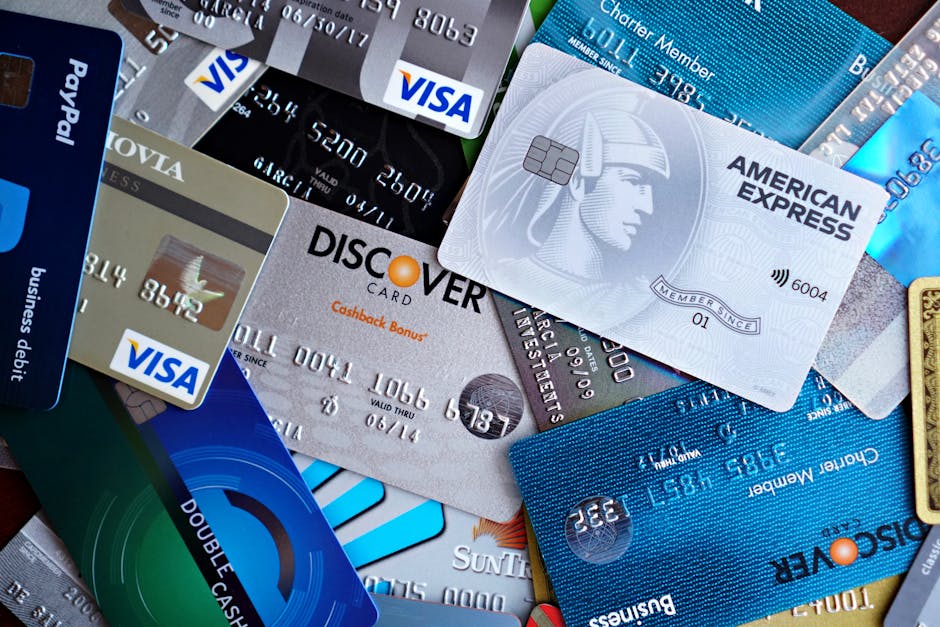
I remember sitting in my cramped apartment in 2017 watching Kara and Nate fly to some place I couldn’t pronounce, all while paying basically nothing for their business class seats. They made it look so easy. Just get the Chase Sapphire Reserve, spend some money, and boom—you’re a professional traveler. I bought into it hard. I think half the internet did. But after five years of trying to mimic their setup, I’ve realized that the “best” card they use is often a trap for people who don’t spend $50,000 a year on vlogging equipment and international flights.
The Chase Sapphire Reserve Obsession
If you’ve watched more than three of their videos, you know the deal. The Chase Sapphire Reserve (CSR) is the holy grail. It’s the card that basically built their channel in the early days. Back then, it had that legendary 100,000-point sign-up bonus that felt like finding a golden ticket in a Wonka bar. It was a moment in time that we’re probably never going to see again, and honestly, we need to stop chasing that ghost.
The CSR is still a beast, don’t get me wrong. It gives you 3x points on travel and dining, which is basically my entire personality at this point. But the annual fee is now $550. That is a lot of money for a piece of metal. What I mean is—actually, let me put it differently. It’s not just a lot of money; it’s a commitment that most casual travelers shouldn’t make. If you aren’t using that $300 travel credit the second you get the card, you’re already losing the game. I know people will disagree with me, and they’ll point to the 1.5 cent-per-point redemption value in the Chase portal, but let’s be real: most people are too lazy to even log into the portal. They just want the card because it’s heavy and makes a cool ‘clink’ sound when you pay for a round of drinks.
It’s a status symbol. Nothing more.
That one time I looked like an idiot in Tokyo

I mention this because Kara and Nate always make lounge access look so peaceful. In 2019, I was at Narita Airport in Tokyo. I had my shiny Sapphire Reserve, and I was determined to use my Priority Pass for the first time. I spent forty minutes walking through Terminal 1, sweating through my shirt, trying to find the specific lounge that accepted my card. When I finally found it, there was a sign out front: “Priority Pass holders not accepted due to capacity.”
I ended up sitting on the floor next to a charging station, eating a $22 soggy tuna sandwich and a lukewarm coffee. I felt like a total fraud. I was paying $450 (at the time) for the privilege of being rejected by a lounge while watching people with actual airline status walk in effortlessly. That’s the part the influencers don’t show you. The “perks” are only perks if they actually work when you’re tired, hungry, and smelling like a 12-hour flight.
The best travel card isn’t the one with the most points; it’s the one that doesn’t make you feel like you’re working a second job just to break even on the annual fee.
Why I’ve started to hate the Amex Platinum
I’m going to say it, and I know the points-and-miles nerds will come for my throat: the Amex Platinum is garbage for 90% of people. It’s a glorified coupon book. You have to jump through so many hoops to justify the $695 fee. Oh, you get a $200 Uber credit? Cool, but it’s distributed in $15 monthly increments that expire if you don’t use them. You get a digital entertainment credit? Only if you watch the specific three streaming services they’ve partnered with. It’s exhausting.
Anyway, I digress. The point is that Kara and Nate use these cards because their life is travel. They are essentially a small business that spends hundreds of thousands of dollars on travel expenses. For them, the Amex Platinum or the CSR is like a Swiss Army knife. For you and me? It’s more like trying to solve a Rubik’s cube while someone’s screaming at you in a crowded airport. I might be wrong about this, but I think the average person is much better off with a card that has a $95 fee, like the Chase Sapphire Preferred, and just calling it a day.
I actively tell my friends to avoid the Platinum. It’s a trap for people who want to feel rich but end up stressed about “optimizing” their monthly spend on Hulu. Total waste of metal.
The actual numbers (The boring but necessary part)
I did a little experiment last year. I tracked 14 flights I took across 2023 and tried to use my “premium” benefits at every single one. Here’s what happened:
- Lounge access success rate: 42% (The rest were full or didn’t exist in that terminal).
- Total “credits” used: $210 out of a possible $550.
- Time spent checking point values before booking: 18 hours.
- Sanity remaining: 0%.
When you look at the Capital One Venture X, which is the new darling of the travel world, the math is actually better. It’s $395 a year, but they give you $300 back as a credit and 10,000 miles every anniversary. It literally pays you $5 to hold the card. Why is everyone still obsessed with the Chase/Amex rivalry? It’s probably because Capital One still feels like the bank that gave you your first $500 limit card in college. It lacks the “prestige,” but the 2x points on everything is way more practical than 3x on a category you only spend on twice a month.
The Verdict
If you want to be like Kara and Nate, get the Chase Sapphire Reserve. It is the best for high-spend travelers who actually use the 1.5x redemption. But if you’re just a normal person who wants one vacation a year without a headache, just get the Venture X or the Sapphire Preferred. Don’t let the YouTube lifestyle trick you into subsidizing a bank’s marketing budget.
I still watch their videos, usually while I’m eating leftovers on my couch. They’re great. But their wallet isn’t my wallet. I think we all forget that sometimes when the cinematography is that good. I wonder if they ever feel guilty about how many people they’ve convinced to sign up for cards they don’t actually need? Probably not. They’re too busy in a first-class pod somewhere over the Atlantic.
What’s the last thing you bought just because an influencer told you to? I’m still staring at a $100 travel backpack I’ve used exactly once.
Worth every penny? Not even close.