
Is it actually possible to find a hotel deal in New York City that doesn’t involve a shared bathroom or a ninety-minute commute from the deep reaches of the outer boroughs? This is the central question facing approximately sixty million visitors who descend upon the five boroughs annually, all competing for a finite number of rooms in one of the world’s most compressed real estate markets. The New York hospitality sector operates on a logic of extreme dynamic pricing, where a room that costs $180 on a rainy Tuesday in February can easily command $750 during the United Nations General Assembly in September. To find genuine value, one must look past the flashy discount banners on major booking engines and understand the underlying mechanics of how Manhattan hotels price their inventory. It requires a shift from passive searching to a more analytical approach that weighs geographic trade-offs against transit access and seasonal demand cycles.
Finding the best hotel deals in NYC is less about luck and more about understanding the city’s unique economic pulse. Unlike many European capitals where prices remain relatively stable throughout the shoulder season, New York’s pricing is volatile. A single convention at the Javits Center or a major concert at Madison Square Garden can cause a localized price spike that ripples across the entire Midtown corridor. Consequently, the search for value often leads travelers to neighborhoods that were previously overlooked or to booking strategies that exploit the cancellation windows of major corporate accounts. This analysis explores the data behind these fluctuations and identifies specific properties that consistently offer a higher quality-to-price ratio than their more famous competitors.
Identifying the Optimal Booking Windows for New York City Accommodations
The timing of a reservation is the single most significant factor in determining the final price of a New York City hotel stay. Data from historical booking trends suggests that the “sweet spot” for NYC is not a fixed number of days out, but rather a window dictated by the city’s business cycle. For most travelers, the impulse is to book months in advance to secure a rate. However, New York is a heavy corporate market. Large firms often hold blocks of rooms that are released back into the general inventory exactly 21, 14, or 7 days before the check-in date if they remain unassigned. This creates a secondary market of last-minute availability that can see prices drop significantly, provided the city isn’t hosting a major global event. If your travel dates are flexible or your cancellation policy allows it, monitoring prices three weeks out often yields better results than booking six months in advance.
Seasonality in New York is brutal and unforgiving. The period from the day after New Year’s Day through the end of February represents the absolute lowest point for hotel occupancy. During these eight weeks, even high-end luxury properties in the Upper East Side frequently drop their rates to fill beds. It is the only time of year when a sub-$200 rate at a four-star Manhattan property is a statistical probability rather than a fluke. Conversely, the month of December is the most expensive time to visit. The presence of the Rockefeller Center tree and holiday window displays creates a demand surge that allows even mediocre two-star hotels to charge premium rates. If your goal is strictly to find the best hotel deals in NYC, scheduling a trip during the post-holiday slump or the sweltering humidity of late August—when many locals flee the city and corporate activity slows—is the most effective strategy.
Beyond the time of year, the day of the week matters immensely. New York is a Tuesday-Wednesday-Thursday city for business. Rates on these nights are almost always higher than Sunday or Monday nights. Travelers can often save 30% or more by simply shifting their stay to include a Sunday night, which is typically the lowest-occupancy night for the city’s hotel industry. Many boutique hotels offer “Stay Sunday” promotions that include breakfast or late check-outs because they are desperate to bridge the gap between weekend leisure travelers and the arrival of the Monday morning corporate crowd. Understanding this rhythm allows you to structure a trip that hits the low points of the pricing curve.
The “24-hour rule” is a specific tactic used by frequent visitors: many hotels experience a wave of cancellations exactly 24 to 48 hours before a date as travelers avoid no-show fees. Checking prices one last time the day before your trip can often reveal a superior room at a lower rate than your original booking.
Neighborhood Arbitrage: Where Geographic Trade-offs Yield the Highest Value
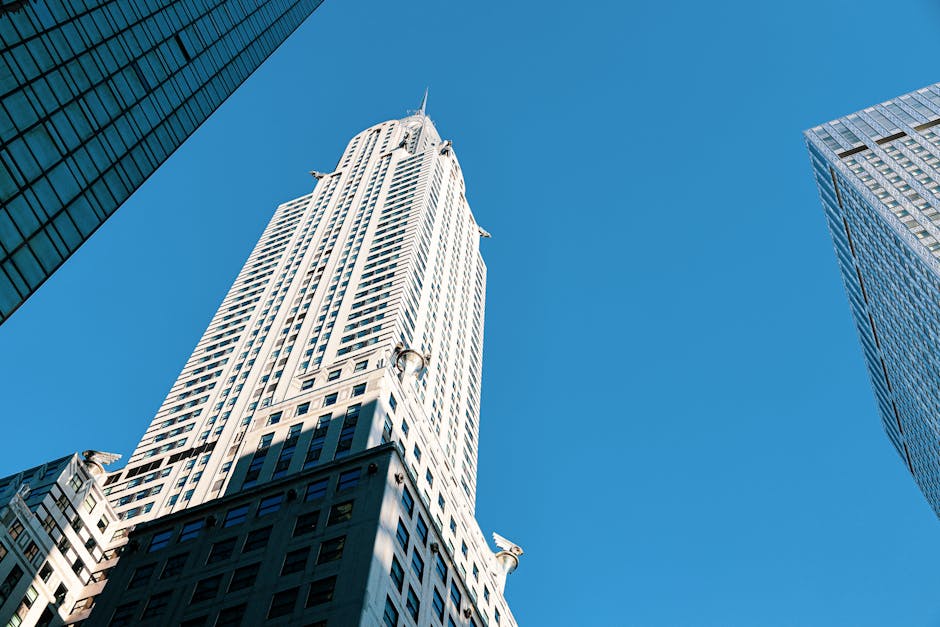
The most common mistake travelers make is insisting on staying within a ten-block radius of Times Square. While the convenience is undeniable, you are paying a massive “convenience tax” that rarely translates to room quality. In fact, many of the hotels in the immediate vicinity of Times Square are older, have smaller rooms, and suffer from significant street noise. By moving just two or three subway stops away, the value proposition changes dramatically. Neighborhood arbitrage involves identifying areas that are technically outside the primary tourist zones but offer rapid transit access to them. Long Island City (LIC) in Queens is the premier example of this. Located just one subway stop from Manhattan on the 7, E, or M lines, LIC has seen a massive influx of new-build hotels that offer larger rooms and better amenities for 40% less than their Manhattan counterparts.
Another area for high-value stays is the Financial District (FiDi). Historically, FiDi was a ghost town after 5:00 PM on weekdays and all day on weekends. While the neighborhood has become more residential, the hotels there still cater heavily to the Monday-Friday banking crowd. This means that on Friday and Saturday nights, when Midtown hotels are hiking their prices for tourists, FiDi hotels often lower theirs to attract leisure travelers. The rooms in this part of the city are also generally newer and more spacious because many are housed in converted office buildings with higher ceilings and more modern footprints. The trade-off is a longer subway ride to uptown attractions, but for many, the cost savings and increased comfort are worth the extra fifteen minutes on the 2 or 3 train.
Consider the following comparison of typical rates and transit times to Midtown (Grand Central/Times Square) during a standard shoulder-season week:
| Neighborhood | Avg. Nightly Rate (3-4 Star) | Transit Time to Midtown | Primary Value Driver |
|---|---|---|---|
| Midtown West | $380 – $550 | 0-5 mins | Location convenience |
| Long Island City | $190 – $280 | 10-15 mins | Newer builds, lower tax |
| Financial District | $220 – $310 | 20-25 mins | Weekend discounts, room size |
| Downtown Brooklyn | $240 – $350 | 25-30 mins | Modern amenities, local dining |
Lower Manhattan, specifically the Lower East Side and parts of Chinatown, also offers a unique value tier. These neighborhoods feature boutique properties that target a younger, design-conscious demographic. While the rooms are often small (sometimes marketed as “micro-hotels”), the design is high-end and the surrounding neighborhood provides an authentic New York experience that you won’t find in the corporate canyons of Midtown. This is where you find properties that prioritize common spaces, rooftop bars, and high-quality linens over square footage. For the solo traveler or a couple who spends most of their time exploring, these “lifestyle” hotels represent some of the best hotel deals in NYC because you are paying for style and location rather than unused floor space.
Specific Property Recommendations and Managing Hidden Costs


When evaluating specific hotels, it is vital to look at the total cost of occupancy rather than the lead-in rate shown on search results. New York City has become notorious for “facility fees” or “resort fees,” which can add $30 to $60 per night to your bill. These fees often cover things you expect to be free, like Wi-Fi or local calls, and are rarely waived. Furthermore, the city and state taxes on hotel rooms in NYC total approximately 14.75%, plus a flat occupancy fee of roughly $2.00 to $3.50 per night. When you see a “deal” for $200, the actual cost out of pocket is likely closer to $265. Always click through to the final checkout page to see the true price before committing to a booking.
Based on consistent performance in pricing and guest satisfaction, several properties stand out as reliable options for those seeking value without sacrificing quality. These hotels have carved out niches by offering specific types of value, whether through clever design or strategic location. Below are three distinct options that represent different approaches to the NYC market.
Arlo NoMad
- Approximate Price: $210 – $350 per night.
- The Deal: High-design micro-rooms in a prime location near the Empire State Building.
- Pros: Exceptional rooftop bar views, floor-to-ceiling windows, and very efficient use of space.
- Cons: The “Queen Room” is essentially just a bed that touches three walls; there is almost zero floor space for luggage.
Hyatt Centric Wall Street
- Approximate Price: $230 – $400 per night.
- The Deal: Large, modern rooms in the Financial District that often see deep discounts on weekends.
- Pros: Some of the largest standard hotel rooms in Manhattan; very quiet on weekends.
- Cons: The immediate neighborhood can feel a bit “empty” on Sunday mornings; requires a subway ride for most tourist activities.
The Jane Hotel
- Approximate Price: $110 – $180 per night (Captain’s Cabins are more).
- The Deal: A historic West Village landmark offering “cabin” style rooms with shared bathrooms.
- Pros: Incredible location in one of the city’s most beautiful neighborhoods; unique maritime history.
- Cons: Standard rooms are tiny and require using a communal bathroom down the hall; not for those who prioritize privacy or modern luxury.
Another often-overlooked strategy for finding the best hotel deals in NYC is leveraging loyalty programs, but not in the way most people think. Even if you aren’t a frequent traveler, joining a hotel’s free loyalty program (like Marriott Bonvoy, Hilton Honors, or World of Hyatt) usually grants access to a “Member Rate” that is 5% to 10% lower than the public rate. More importantly, booking directly through the hotel’s website often makes you eligible for upgrades or fee waivers that aren’t available to those who book through third-party sites. In a market as competitive as New York, the front desk has more flexibility to help a direct-booking guest than someone who used a discount aggregator. If you find a lower price on a third-party site, many major chains will not only match it but offer an additional discount if you book directly with them instead.
Ultimately, the secret to navigating the New York hotel market is a combination of skepticism and research. The “best deal” is rarely the cheapest room on the list; it is the room that balances the cost of the stay with the cost of transportation and the value of your time. By targeting the shoulder seasons, exploring neighborhoods like Long Island City or the Financial District, and being mindful of the hidden fees that inflate the final bill, you can stay in New York without exhausting your entire travel budget on a place to sleep. The city is designed to extract as much as possible from the uninformed visitor; the analytical traveler, however, can still find pockets of genuine value in the concrete jungle.