Kyrgyzstan does not adhere to the standard four-season calendar recognized in the West. Instead, the country breathes according to the vertical migration of its people and the stubborn grip of ice on the high passes of the Tien Shan. To visit this Central Asian frontier is to enter a world where the altitude dictates the itinerary far more than the date on a calendar. While the valleys may be sweltering under a desert sun, the mountain passes just a few dozen miles away remain locked in a glacial embrace well into what most travelers consider mid-summer.
Most travelers get the timing for Central Asia wrong because they assume summer is a uniform experience across the landscape. In Kyrgyzstan, the difference between July in the Bishkek valley and July at 3,000 meters is the difference between a t-shirt and a heavy-duty parka. If you show up in May expecting to cross high-altitude passes, you are going to face significant logistical hurdles. The snow in the Celestial Mountains does not care about your vacation schedule, and the infrastructure of the jailoos (high pastures) only wakes up when the melt is complete.
When is the best weather for trekking in the Tien Shan mountains?
July and August represent the definitive window for high-altitude exploration. If your primary goal is to hike the famous loops around Karakol, traverse the Ak-Suu region, or reach the turquoise waters of Ala-Kul, do not even think about arriving before July 1st. Even then, you might encounter lingering snow on the passes like Teleti or Jiptik. By mid-July, the trails are usually clear, the jailoos are at their most vibrant green, and the shepherds have moved their yurts up for the season, providing the essential network of hospitality that makes trekking here possible.
The High-Altitude Temperature Reality
Don’t let the 35°C (95°F) heat in Bishkek fool you. Once you climb toward the passes near Karakol or Naryn, temperatures plummet. At 3,500 meters, even in August, night temperatures frequently hit freezing. You need gear that handles extreme volatility. For example, the Lowa Renegade GTX Mid (approx. $250) is a standard choice for these trails. Specs: Nubuck leather upper, GORE-TEX lining, Vibram Evo sole, weight approx. 1110g per pair. Pros: Excellent ankle support for rocky scree and waterproof for the inevitable stream crossings. Cons: They take a long time to dry if they get soaked from the inside, and the leather requires maintenance to stay supple in the dry mountain air. If you bring flimsy sneakers, you will regret it by day two of any multi-day trek.
August is slightly more stable than July regarding precipitation. July often sees afternoon thunderstorms that roll in fast and disappear just as quickly, often accompanied by hail at higher elevations. By late August, the air gets crisper, the visibility improves for photography, and the crowds—if you can call a handful of hikers a crowd—begin to thin out. If you wait until mid-September, you are gambling with the “first snow.” One early-season blizzard can shut down the passes for the year, leaving you stuck in a guesthouse in Karakol looking at maps of places you can no longer reach safely.
Specific Trekking Windows by Region
- Karakol and Ala-Kul: July 10 to September 5. This is the “safe” zone. Anything outside this requires crampons and high cold tolerance for overnight camping.
- Arslanbob and the Walnut Forests: June and September. Since this is lower elevation (approx. 1,600m), July and August can be uncomfortably hot for hiking through the dense forests. June offers the best balance of green foliage and manageable heat.
- Peak Lenin Base Camp: July and August only. Located in the Pamir-Alay range, this is serious mountain territory; the weather window is razor-thin, and even in August, you should prepare for snow.
- Jeti-Oguz to Oguz-Bashi: Late June to late September. This valley is slightly more accessible than the high passes but still requires a dry window to avoid the deep mud that plagues the lower trails.
The passes above 3,500 meters are often blocked by snow until late June. If you try to force a trek in May, you will spend most of your time post-holing through slush and losing the trail, which can be dangerous given the lack of signage in the Kyrgyz backcountry.
How do seasonal shifts affect travel costs and accommodation availability?
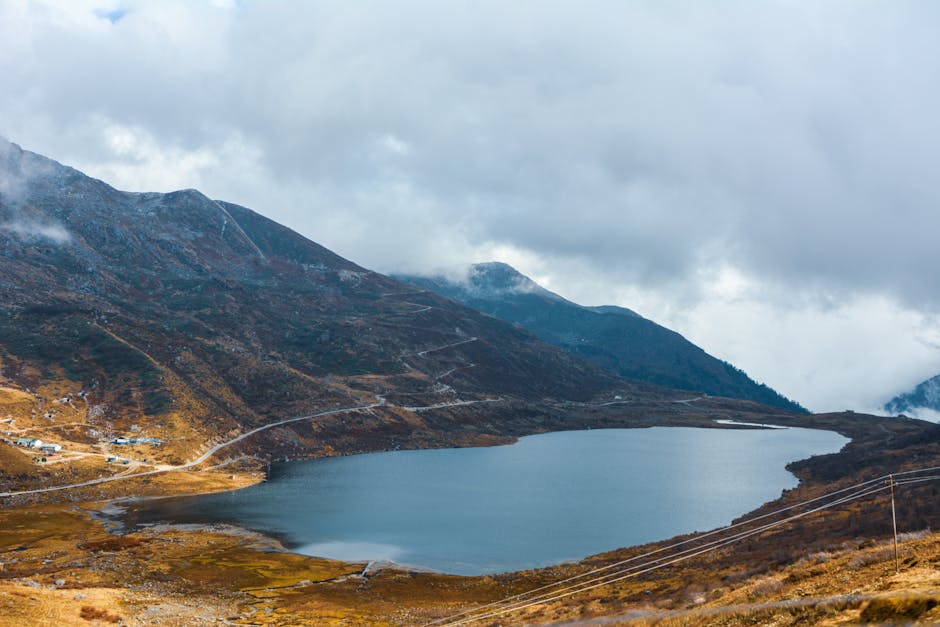
Kyrgyzstan remains an affordable destination, but prices are not static. The peak season (July-August) sees a surge in demand for the best guesthouses and private 4×4 drivers. If you are a budget traveler relying on marshrutkas (minibuses), prices remain fairly stable throughout the year. A ride from Bishkek to Karakol will cost you roughly 350 to 500 KGS (about $4-$6 USD) regardless of the month. However, the availability of shared taxis and the frequency of these buses can drop significantly in the shoulder seasons as locals travel less frequently between regions.
Peak Season vs. Off-Peak Pricing Comparison
| Expense Item | Peak (July-Aug) | Shoulder (May-June/Sept-Oct) | Off-Peak (Nov-April) |
|---|---|---|---|
| Boutique Guesthouse (Bishkek) | $50 – $70 | $40 – $55 | $30 – $45 |
| Yurt Stay (with breakfast & dinner) | $25 – $35 | $20 – $30 | Largely Unavailable |
| Private 4×4 Driver (per day, excl. fuel) | $80 – $120 | $70 – $100 | $60 – $90 |
| Horse Rental (per day with guide) | $25 – $40 | $20 – $30 | N/A |
| Local Guide (English speaking) | $50 – $80 | $40 – $60 | $35 – $50 |
Accommodation in Bishkek is easy to find year-round, but Karakol and the North Shore of Issyk-Kul fill up fast in the summer. If you want a specific highly-rated spot like Riverside Karakol (approx. $40/night), you need to book weeks in advance for an August stay. Pros: Unbeatable local knowledge and a legendary breakfast. Cons: Often fully booked by European tour groups months in advance. In the winter, you can walk into almost any guesthouse in the country and get a room on the spot, often at a 20-30% discount if you are willing to negotiate in person.
Wait until the shoulder season if you want to save money on private transport. Drivers are more willing to haggle when their calendars aren’t full of trekking groups. But remember: fewer tourists mean fewer people to share the cost of a 4×4. A car that costs $100 to Song-Kul is a bargain if split four ways in July, but it’s a budget-killer if you’re traveling solo in October. Additionally, fuel prices in Kyrgyzstan can fluctuate based on regional supply from Russia, so always confirm if the quoted price includes gas.
What is the ideal month for visiting Issyk-Kul and Song-Kul lakes?
These two lakes are the crown jewels of the country, but they require vastly different timing. Issyk-Kul is a massive, slightly saline, high-altitude sea that never freezes due to its depth and mineral content. Song-Kul is a true alpine lake surrounded by jailoos that is inaccessible for half the year. You cannot treat them as a single destination when planning your calendar.
Issyk-Kul: The Summer Beach Scene
If you want to swim, go in August. The water is at its warmest, though “warm” is a relative term for a lake at 1,600 meters. The North Shore (Cholpon-Ata) is the party hub. It gets loud, crowded, and slightly chaotic with Kazakh and Russian tourists in late July. If you prefer silence and “slow travel,” head to the South Shore (Bokonbayevo or Tosor) in September. The air is cooler, but the water retains enough heat for a quick dip, and the red rock formations of Skazka Canyon are much more pleasant to hike when it isn’t 30°C. September also coincides with the harvest of apricots and apples, for which the Issyk-Kul region is famous.
Song-Kul: The Authentic Nomad Experience
Song-Kul sits at 3,000 meters. The road over the 33 Parrots Pass or the Moldo-Ashu Pass usually opens in early June and stays open until late September. Any earlier or later, and you risk getting stuck in a snowdrift or encountering roads that have been washed out by meltwater. The yurt camps at Song-Kul are the main draw. By mid-September, most families start packing up their yurts to move back down to the valleys. If you show up in October, you’ll find a beautiful, empty, freezing lake with nowhere to sleep and no one to provide a meal.
For the best experience at Song-Kul, aim for late June. The wildflowers are incredible, and the lake hasn’t yet seen the peak influx of tour vans. You’ll get more interaction with the local shepherds before they get tired of answering the same questions from tourists all summer. Just bring a sleeping bag rated for at least -5°C (23°F). Even in the height of summer, a yurt is just a tent with felt walls; it does not hold heat once the dung-fired stove goes out at 2:00 AM.
Consider a pack like the Osprey Atmos AG 65 (approx. $270) for these trips. Specs: Anti-Gravity suspension, integrated raincover, 65-liter capacity. Pros: The suspension system is a lifesaver when you’re trekking between yurt camps at high altitude where every pound feels heavier. Cons: The external frame is bulky, making it a pain to shove into the back of a crowded shared taxi or the trunk of a small sedan. It is, however, the right tool for the job if you’re carrying your own sleeping bag and cold-weather layers across the jailoos.
Which months should you avoid for road trips and high-altitude passes?
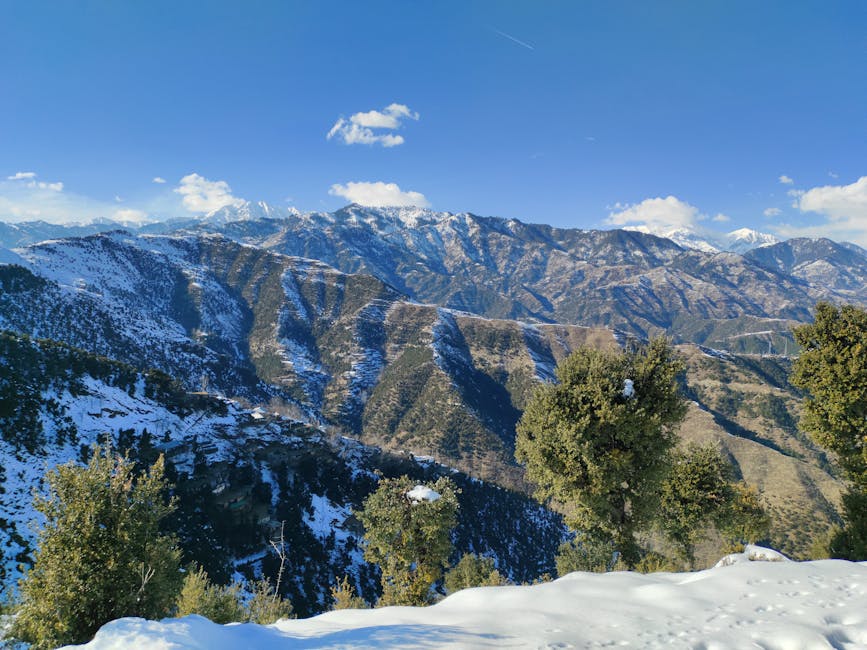
Avoid November through March unless you are specifically there to ski in Karakol or engage in specialized winter photography. Kyrgyzstan’s infrastructure is not built for winter tourism outside of a few specific hubs. Most of the mountain passes that connect the north and south of the country are prone to avalanches and heavy snow. The Too-Ashuu pass, which connects Bishkek to the south and the Fergana Valley, is notorious. It’s a tunnel at 3,000 meters that frequently closes during storms. If you are on a tight schedule, a winter road trip is a recipe for a missed flight and a dangerous situation.
The Mud Season: April and May
Many people think spring is a good time to visit because the lowlands are blooming. They are often disappointed. April and May are the months of “the great mud.” As the snow melts, the unpaved roads to the best mountain spots become impassable bogs. The jailoos aren’t green yet; they are brown, soggy, and unattractive. Hiking is miserable because you’ll be sliding around in saturated clay. If you must visit in the spring, stick to the cities (Bishkek and Osh) and the low-elevation regions of the Fergana Valley. The fruit trees will be in bloom, and the weather is pleasant for urban exploration, but the “real” Kyrgyzstan—the mountains—is effectively closed to tourism.
Winter Logistics and Skiing
If you are a skier, February is your month. Karakol Ski Base is the best in the country. A day pass is cheap—around $20 to $30 USD. Pros: Incredible off-piste opportunities and zero lift lines compared to Europe. Cons: The equipment rental is often dated, and the lifts are slow. Don’t expect a Swiss Alps experience; expect a rugged, Soviet-style adventure. The roads to the ski base are manageable with a 4×4, but don’t try it in a sedan without chains.
Technical Equipment for Kyrgyz Expeditions
Because the weather can change from sun to sleet in twenty minutes, your gear list is your lifeline. Beyond boots and packs, specialized tools are necessary for those heading off the beaten path.
- Satellite Messenger: The Garmin InReach Mini 2 (approx. $400). Pros: Provides GPS tracking and two-way messaging where there is zero cell service (which is 90% of the mountains). Cons: Requires a monthly subscription and has a small screen that is difficult to use for detailed mapping.
- Trekking Poles: Black Diamond Alpine Carbon Cork (approx. $200). Specs: 100% carbon fiber, cork grips, 485g per pair. Pros: Essential for saving your knees on the 1,000-meter descents common in the Tien Shan. Cons: Carbon fiber can snap under extreme lateral pressure compared to aluminum.
- Water Filtration: Sawyer Squeeze (approx. $40). Pros: Lightweight and fits on standard water bottles. Cons: You must keep it from freezing at night, or the internal filter will crack and become useless.
Common Planning Mistakes to Avoid
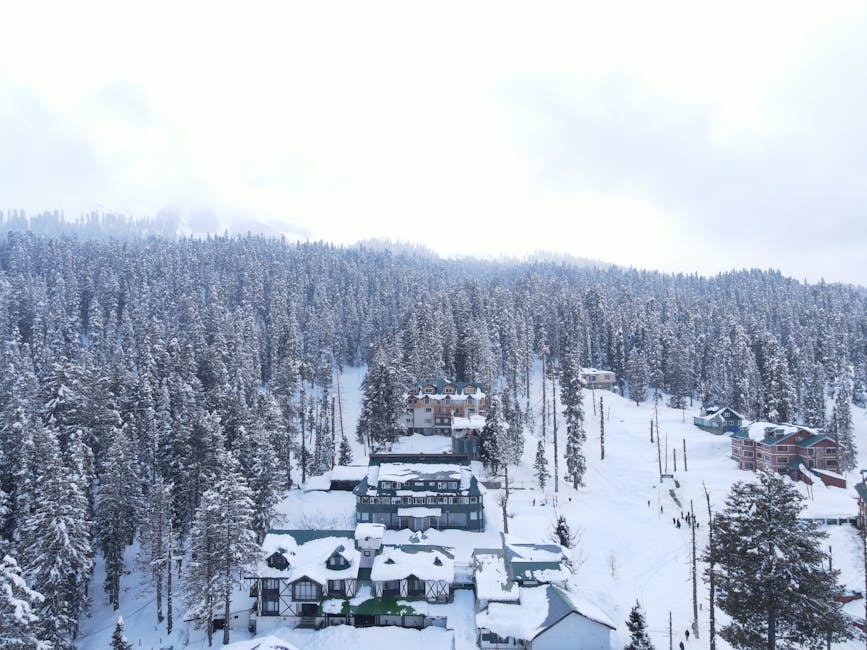
Many travelers underestimate the sheer scale of the mountains and the limitations of the local transport system. One common mistake is trying to visit both Song-Kul and Issyk-Kul in a three-day window. Because of the mountain passes, a distance that looks like 100km on a map might take six hours to drive. Always add a “buffer day” to your itinerary for every three days of travel to account for flat tires, mudslides, or sudden weather shifts.
Another mistake is ignoring the impact of Ramadan if your visit falls during the holy month. While Kyrgyzstan is a secular state, many small cafes in rural areas may close during the day, and your drivers might be fasting, which can affect their energy levels during long hauls. Check the lunar calendar before you book, as the dates shift every year. Finally, always carry physical cash (Kyrgyz Som). Outside of Bishkek and the center of Karakol, ATMs are non-existent and credit cards are essentially useless plastic.
The bottom line is simple: if you want the postcard-perfect Kyrgyzstan experience, you have an eight-week window from July to August. If you want to save money and don’t mind missing the highest peaks, June and September are acceptable compromises. Anything else is a different trip entirely, requiring specialized gear, a high tolerance for cold, and a lot of patience for logistical failures.