Ubud attracts more accommodation options than almost any town its size in Southeast Asia — a mix of overpriced view-chasers, genuinely exceptional jungle retreats, and mid-range boutique stays that often outperform properties at twice their price. Knowing which category each hotel falls into before booking changes the trip entirely.
Ubud Hotels by Category: A Direct Comparison
Rates below reflect approximate peak-season nightly costs for a standard room or base villa. Variation of 15–25% is typical depending on booking platform, season, and advance notice. Properties marked as all-inclusive-style typically bundle breakfast and select activities — factor that in before assuming the cheaper listing is actually cheaper.
| Hotel | Tier | Approx. Rate | Best For | Key Draw |
|---|---|---|---|---|
| Four Seasons Resort Bali at Sayan | Ultra-luxury | From $700/night | Couples, honeymooners | Ayung River gorge, architectural design |
| Mandapa, a Ritz-Carlton Reserve | Ultra-luxury | From $900/night | Wellness seekers, long stays | Full rice terrace complex, Cebok River |
| COMO Shambhala Estate | Luxury wellness | From $600/night | Recovery and wellness retreats | Ayung River, on-site practitioners |
| Capella Ubud | Luxury boutique | From $500/night | Design-focused travelers | Tented camp aesthetic, Keliki rainforest |
| Komaneka at Bisma | Luxury boutique | From $350/night | Art lovers, couples | Wos River valley views, Balinese art |
| Bisma Eight | Upper mid-range | From $180/night | Design-conscious travelers | Infinity pool with genuine jungle canopy view |
| Alaya Resort Ubud | Upper mid-range | From $150/night | Walkers, central-location seekers | Walking distance to Ubud Palace |
| The Kayon Jungle Resort | Mid-range | From $120/night | Nature-focused couples | Petanu River, forested hillside setting |
One pattern consistently holds: ultra-luxury properties typically include breakfast and selected wellness activities in the base rate. Mid-range hotels generally do not. A $150/night room without breakfast often nets to $170–180/night once morning meals are added — which narrows the gap with properties like Bisma Eight more than the headline rates suggest.
What the Price Tiers Actually Deliver
Under $150/night, Ubud typically offers private villas with open-air bathrooms, basic breakfast, and variable service quality. Serviceable, rarely memorable. The $300–500 range is where local boutique properties genuinely compete with international luxury benchmarks — arguably Ubud’s strongest tier for overall value. Above $600, guests are paying primarily for scale: larger grounds, higher staff-to-guest ratios, and spa infrastructure that standalone day spas simply cannot match.
Location Zones: What Each One Means Day to Day
Ubud’s geography creates meaningfully different experiences depending on where a hotel sits. Central Ubud — near Jalan Raya Ubud and Ubud Palace — offers walkability but carries real road noise from 7am. The Penestanan and Sayan areas, 10–15 minutes by scooter, access the Ayung River gorge and primary rice terrace corridors. Tegallalang, 25 minutes north, hosts the most photographed terraces but adds daily transport friction for guests wanting to explore town. Keliki and Payangan, 40+ minutes out, offer near-complete isolation. Most travelers underestimate how significantly location shapes a Ubud stay until they are paying $15 per taxi ride, three times a day.
The Luxury Tier: Three Properties That Justify Their Rates
Ubud has more hotels using the word “luxury” than any honest survey would support. Three properties consistently deliver at the level their rates demand. They are not interchangeable.
Four Seasons Resort Bali at Sayan: Architecture as the Product
The Four Seasons Sayan opened in 1998 and still earns architectural attention — an elliptical lotus pond crowns the rooftop entrance, the open-sided reception frames the jungle canopy, and pool villas cantilever directly over the Ayung River gorge. Rates start around $700/night for a standard garden pool room; the two-bedroom Sayan villas run above $4,000.
The food program is stronger than most resort hotels manage. The Riverside Café, reached via a bamboo footbridge, serves breakfast alongside the actual sound of the river — a detail that sounds like promotional copy until you are sitting there at 7am. The Jati Bar produces some of the better cocktails in the Ubud area. Spa treatments run $120–250 per session.
The grounds are relatively compact compared to Mandapa or COMO Shambhala. This is not the right property for guests planning to “get lost for a week.” The real draw is architectural precision and the gorge setting — two things the Four Seasons has and most competitors do not.
Mandapa, a Ritz-Carlton Reserve: The Self-Contained Retreat
Mandapa occupies a full rice terrace complex along the Cebok River, approximately 3km from central Ubud. Base rates start at roughly $900/night, with butler-served villas running considerably higher. The property is large enough that a dedicated tuk-tuk service operates within the grounds — a detail that illustrates the scale difference from boutique competitors.
The wellness programming is more structured here than at the Four Seasons. Resident yoga teachers, guided meditation, cooking classes in a purpose-built kitchen, and a spa program that rewards multi-night stays. If the goal is a self-contained retreat where leaving feels genuinely optional, Mandapa delivers more consistently on that premise than most Bali alternatives at any price point.
One clarification worth making: the rice terrace views visible from the property are real, but partly managed. Some terraces function ornamentally and do not follow full agricultural cycles. The visual effect holds through most of the year — but guests expecting active cultivation in all areas at all times may find the setting more curated than the photos imply.
COMO Shambhala Estate: If Wellness Is the Actual Goal
COMO Shambhala operates closer to a functioning wellness estate than a conventional hotel. The staff structure is built around treatment schedules rather than hospitality in the traditional sense. Minimum stays of three nights are recommended and often required during peak periods. Rates from $600/night for a basic residence; the full Retreat program with a dedicated wellness itinerary starts higher.
Unlike most hotels that append “wellness” to their spa menu, COMO Shambhala has credentialed practitioners on site: Ayurvedic doctors, physiotherapists, naturopaths. The food program follows specific wellness protocols, which some guests find restrictive and others find precisely what they needed. This is not the right property for travelers who want to explore Ubud’s night market and return late. For guests whose trip is structured around recovery — from burnout, overtraining, or illness — it is arguably the strongest option on the island for that specific purpose.
The Rice Terrace View Problem
A significant number of Ubud hotels market rice terrace views as their primary selling point. Many of those “views” are a narrow strip of terracing visible from one corner of one room, or ornamental paddies maintained by the hotel rather than working agricultural land. The Tegallalang Rice Terraces — the cascade that appears in most Bali photography — are not within walking distance of any hotel that claims a rice terrace view.
For a genuinely panoramic, working terrace setting, the defensible options are Mandapa and Komaneka at Rasa Sayang. Everything else requires careful inspection of recent guest photos — not promotional imagery, which is typically shot from the one angle that works — before committing to the booking on that basis.
Five Things to Check Before Booking Any Ubud Hotel
These address specific failure modes in Ubud bookings. They are not general travel advice that applies everywhere.
- Verify the GPS coordinates, not just the zone name. Hotels listed as “Ubud” can sit 35–40 minutes from Ubud Palace. If walkability or proximity to the center matters, check the address against a mapping app before confirming the booking.
- Read reviews written in November–April (wet season). Most positive reviews come from dry-season stays. The same property during wet season may have humidity that makes open-air bathrooms uncomfortable, reduced clarity on valley views, and — in lower-budget properties — drainage issues that never appear in high-season feedback.
- Confirm exactly what breakfast includes. Mid-range Ubud hotels vary from a $4 portion of nasi goreng to a full cooked spread with fresh fruit, eggs, and juice. Over five nights, that gap is financially meaningful.
- Ask about road noise specifically. Jalan Raya Ubud and adjacent streets carry heavy motorbike traffic from approximately 7am. Several well-reviewed boutique hotels sit directly on or adjacent to this corridor. A property set 300–500 meters back on a quieter lane represents a materially different sleeping environment.
- Clarify pool access for villas. Some Ubud villas that appear to have private pools in listing photos operate shared pool arrangements between two or three adjacent rooms on a rotation schedule. This is not always disclosed prominently — ask directly before booking.
Booking Timing: When Rates Change Most
Peak season in Ubud runs July–August and the final two weeks of December. Rates at the Four Seasons Sayan and Mandapa typically increase 30–40% during these windows compared to shoulder periods. May, June, and September offer nearly identical weather conditions with meaningfully lower rates. April is also favorable — good weather, reduced crowd density, and some of the most negotiable pricing of the year.
The $80–100/Night Trap
The $80–100/night tier in Ubud is cluttered with properties that photograph well and deliver inconsistently. Common patterns to watch for: “traditional Balinese compound” used to describe shared outdoor spaces between multiple rooms; “jungle view” applied to a garden that backs onto a small ravine; “rice paddy view” photographed from the one balcony corner that shows a three-meter strip of paddies between buildings. At this price point, a well-reviewed family-run guesthouse typically outperforms an aspirational boutique hotel with similar rates. The difference is usually in maintenance consistency and whether someone on site actually cares about the property day to day.
Mid-Range Hotels That Over-Deliver
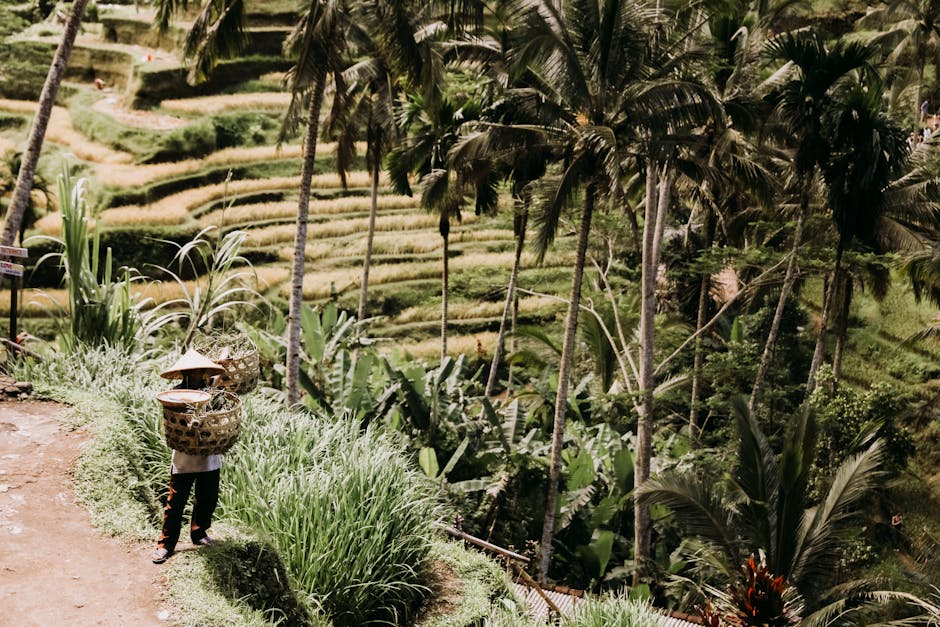
Bisma Eight is the clearest over-performer in Ubud’s mid-range tier. At $180–220/night, the infinity pool overlooking the Wos River jungle canopy delivers what dozens of cheaper hotels only promise in their marketing copy — a genuine, wide-angle valley view, not a cropped approximation. The rooms are architecturally considered without the studied minimalism that some boutique properties push too hard. Bisma Street manages to be central without being loud, which is rarer in Ubud than it should be.
Komaneka at Bisma: When $130 More Per Night Clears the Bar
Komaneka at Bisma, at approximately $350/night, shares the same street and the same valley view as Bisma Eight — but the food program is significantly better, service is more consistent, and the room finishes represent a genuine step up rather than a marginal one. For guests who eat dinner on-property at least half the time and value attentive service, the gap between these two properties is worth the additional spend. For guests who leave the hotel by 8am and return after 10pm, Bisma Eight is the more rational buy.
Alaya Resort Ubud: Location as the Whole Argument
Alaya Resort Ubud, at roughly $150/night, occupies one of the few positions in central Ubud that is genuinely walkable to Ubud Palace, the main art market, and the majority of the town’s best restaurants. For travelers prioritizing independent movement over scenery, this matters more than a river gorge view accessed by twice-daily transport. The pool is competent. The food is decent. The rooms are modern without being architecturally noteworthy. It executes the fundamentals reliably in a location where most competitors sacrifice convenience for the illusion of remoteness.
The Kayon Jungle Resort: Right for One Specific Traveler Type
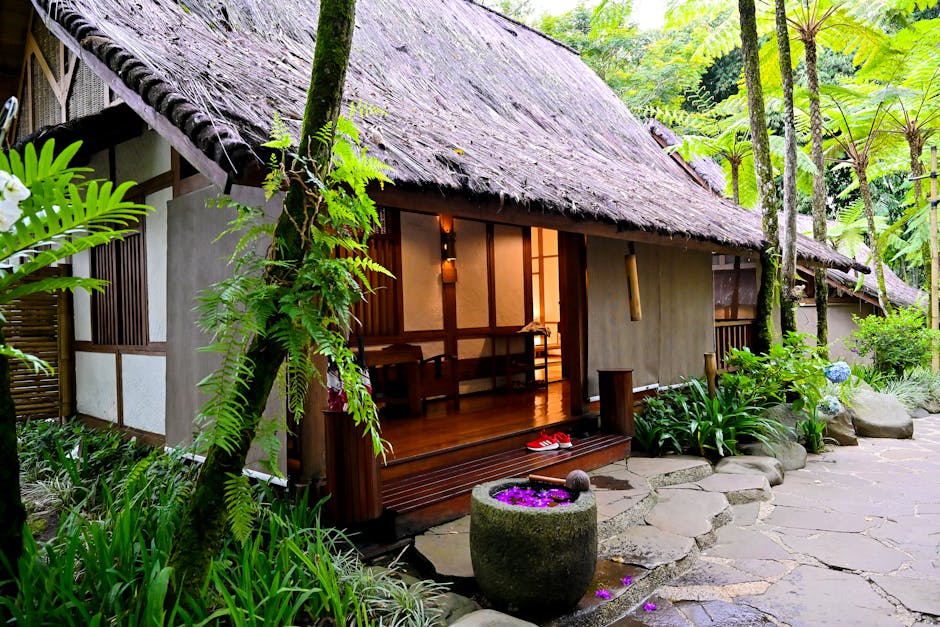
The Kayon Jungle Resort, at $120–150/night, sits above the Petanu River in a forest setting that genuinely earns the “jungle” descriptor. The main pool canopy view competes with properties at twice the price. The weaknesses are real: limited on-site dining, and a 15–20 minute journey to central Ubud that adds friction for active explorers. For guests planning to spend the majority of their stay on property — reading, swimming, occasional organized day trips — those limitations are minor. For guests who want to move freely through Ubud every day, the location works against them.
- Honeymooners / celebrating couples: Four Seasons Resort Bali at Sayan ($700+). Architecture and gorge setting justify the rate. Strongest single-stay experience in Ubud.
- Wellness retreat (3+ nights): COMO Shambhala Estate ($600+) for structured health programs; Mandapa ($900+) for a self-directed retreat with more flexibility.
- Design travelers on a mid-range budget: Bisma Eight ($180–220). Best view-per-dollar in this price tier.
- Central Ubud walkers: Alaya Resort Ubud ($150). Sacrifices scenery, gains daily convenience.
- Couples wanting nature without ultra-luxury pricing: The Kayon Jungle Resort ($120–150), provided transport reliance is acceptable.
- Stepping up from Bisma Eight: Komaneka at Bisma ($350). Service and food quality clear a bar that most mid-range properties in Ubud do not.