What exactly are you paying for when a remote Yukon lodge charges $1,500 per night? That question shapes everything — because wilderness luxury in the Yukon operates on entirely different logic than a five-star city hotel.
The Yukon covers 482,000 square kilometers. Most of it has no roads, no cell signal, and no other guests. The premium at high-end Yukon properties isn’t for marble bathrooms or poolside service. It’s for access to one of the last genuinely wild places on the continent, guided by people who’ve spent careers learning it.
Why Yukon Wilderness Luxury Isn’t Like Any Other High-End Stay
Standard hotel luxury has a checklist: premium amenities, attentive staff, exceptional food, a recognized address. You can evaluate all of that before you book. Yukon wilderness lodges sell something harder to quantify — proximity to landscapes most people will never see, in conditions that require real expertise to navigate safely and comfortably.
Kluane National Park, which borders some of the Yukon’s best lodge country, covers 22,015 square kilometers and contains the largest non-polar ice field on earth. The Saint Elias Mountains rise above it. The Pelly River drainage to the north holds more lake trout per kilometer than almost anywhere in North America. These aren’t scenic backgrounds. They’re ecosystems that take years to understand, and the value of a skilled guide here is not a soft luxury — it’s a genuine competency gap that separates a meaningful wilderness experience from a disorienting one.
At properties like Norden Camp near Kluane, the guides are the product. The staff bring years of field experience in specific terrain — they know where wildlife moves across seasons, how weather patterns behave in the Saint Elias Range, and how to keep a small group comfortable when conditions shift unexpectedly. That institutional knowledge is what you’re paying for, as much as the cabin or the meals.
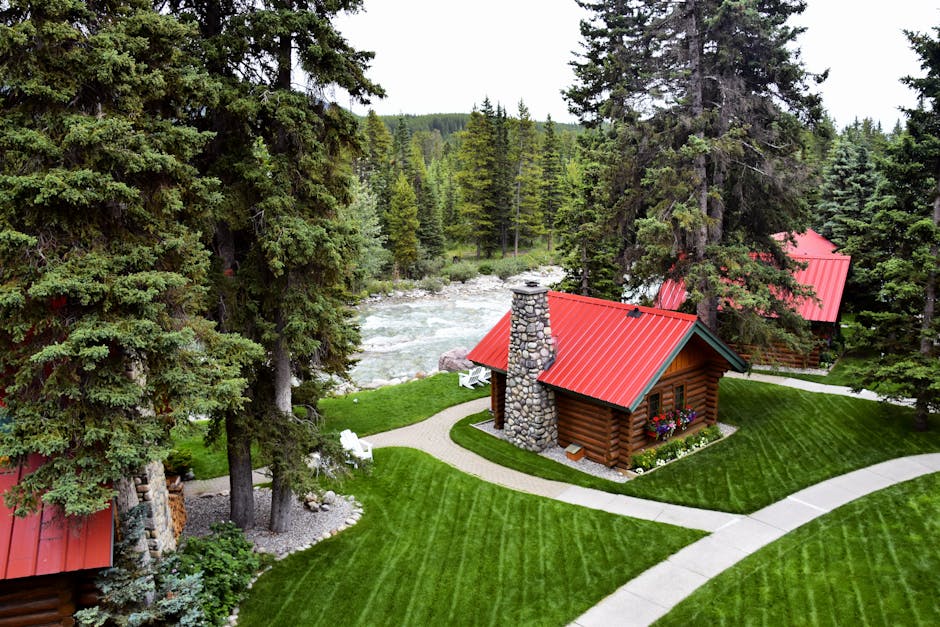
The physical facilities at most Yukon luxury properties are simpler than comparable price points elsewhere. There are no infinity pools. Spa menus are rare. What you get instead are well-built, well-heated cabins; outstanding food prepared in remote kitchens with serious logistical effort behind every ingredient; and, on clear nights, a night sky with essentially zero light pollution that stops people mid-conversation.
Exclusivity is another real differentiator. Most high-end Yukon operations cap groups at 6 to 12 guests. At Inconnu Lodge, a remote fly-in property on the Pelly River drainage, the entire lodge caters to a single private party at a time — which means when you’re there, that stretch of river belongs to your group. That level of privacy is structurally impossible at resort-scale properties.
Who This Experience Actually Suits
Travelers who get the most from Yukon wilderness luxury share a few traits: they’re curious about natural systems, comfortable with weather-dependent schedules, and interested in the place itself rather than just the aesthetics. Photography, wildlife observation, fishing, and hiking are the primary activities across most properties. If your idea of luxury is passive relaxation rather than active engagement, there are better destinations for the same budget.
The Honest Comparison to Other Wilderness Luxury Destinations
If you want world-class amenities in a spectacular setting, Banff or the Dolomites will outperform the Yukon on facilities every time. Top-tier Patagonia lodges like Explora Patagonia offer more refined spa and dining infrastructure alongside comparable scenery. The Yukon’s case is not that it’s more comfortable — it’s that the scale of wilderness is simply larger. Kluane’s ice fields have no equivalent in the Rockies or the Alps. For travelers who find that compelling, the Yukon has no serious competition at any price.
Yukon Luxury Properties: How They Actually Compare
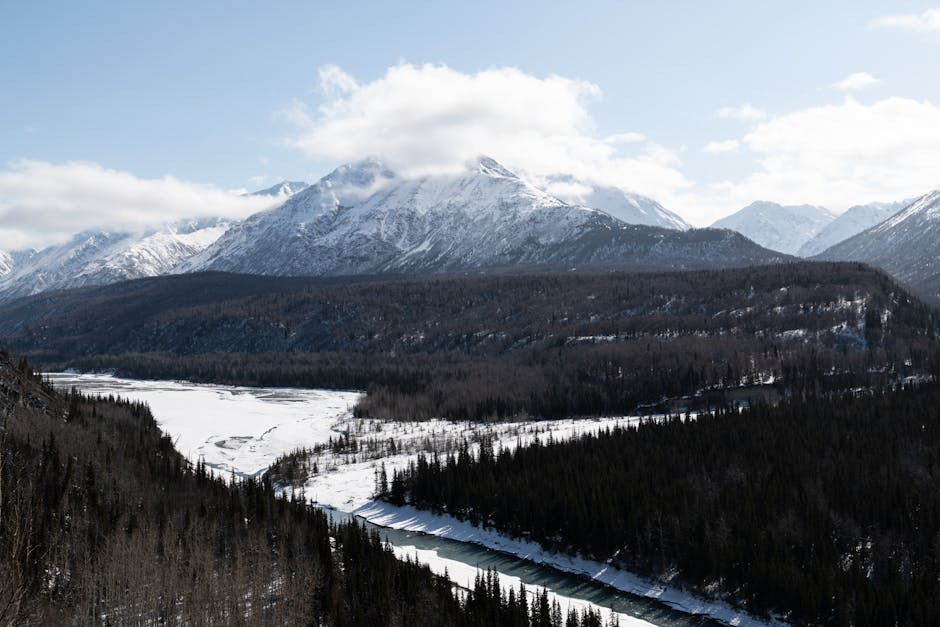
The high-end market here is small. A handful of operations dominate, and they’re not interchangeable. The right choice depends entirely on what you want from the trip.
| Property | Location | Access | Approximate Cost (CAD) | Best For |
|---|---|---|---|---|
| Norden Camp | Near Kluane National Park | Road accessible | $1,200–$2,000/person/night, all-in | Guided hiking, photography, wildlife |
| Inconnu Lodge | Remote Pelly River area | Floatplane only from Whitehorse | $5,000–$8,000/person/week, all-in | Fly fishing, complete isolation |
| Aurora Village | 30 min outside Whitehorse | Shuttle from Whitehorse | $250–$450/night | Northern lights, accessible entry point |
| The Edgewater Hotel | Whitehorse waterfront | City center, walkable | $180–$320/night | Whitehorse base, day trip hub |
Norden Camp: The Strongest All-Round Case
Norden Camp near Kluane is the clearest recommendation for travelers who want genuine wilderness immersion without floatplane-dependent logistics. The guiding quality is serious — activities include multi-day hiking in the Saint Elias foothills, wildlife photography, and cultural programming tied to the land. All-inclusive pricing covers meals and guiding, which makes the per-night rate more defensible than it looks at first glance. It books out 6 to 12 months in advance for peak August weeks. If you’re planning a summer trip, reservation timing is more critical than any other planning decision.
Inconnu Lodge: For Absolute Seclusion
Inconnu Lodge on the Pelly River is the definitive choice for travelers who want complete isolation. Floatplane-only access means the surrounding watershed has essentially no other recreational pressure — no day-trippers, no shared trails. The lodge built its reputation on world-class northern pike and lake trout fishing, but non-fishing guests consistently report that the wilderness experience alone justifies the trip. The all-inclusive weekly pricing bundles floatplane transfers that would cost $800 to $2,500 if booked separately — which makes the headline rate less alarming when broken down per day.
Aurora Village: A Different Category Entirely
Aurora Village near Whitehorse should be understood as a different product — not directly comparable to either of the above. The heated wilderness cabins (traditional Tee-Pee design) and guided northern lights viewing infrastructure are well executed at an accessible price. This is managed tourism, not wilderness immersion. But it does what it promises, and for travelers who want a northern lights experience without committing to a full expedition, it’s the right call.
Season Timing: Five Windows, Five Different Yukon Trips
Timing matters more in the Yukon than in almost any other destination. The territory has extreme seasonality, and the experience shifts dramatically by month.
- August to mid-September: Peak wilderness season. Long daylight hours, stable weather, high wildlife activity, and autumn color beginning in late August. This is Norden Camp’s strongest window by a wide margin. Book 6 to 12 months ahead for August. Prices are at their highest, and availability disappears fast.
- Late September to October: Fall color peaks and photography conditions are exceptional across the territory. Days shorten quickly. Aurora activity begins as darkness returns for the first time since spring. Prices drop at some properties. This window is consistently underbooked relative to its quality — a genuine gap in the market.
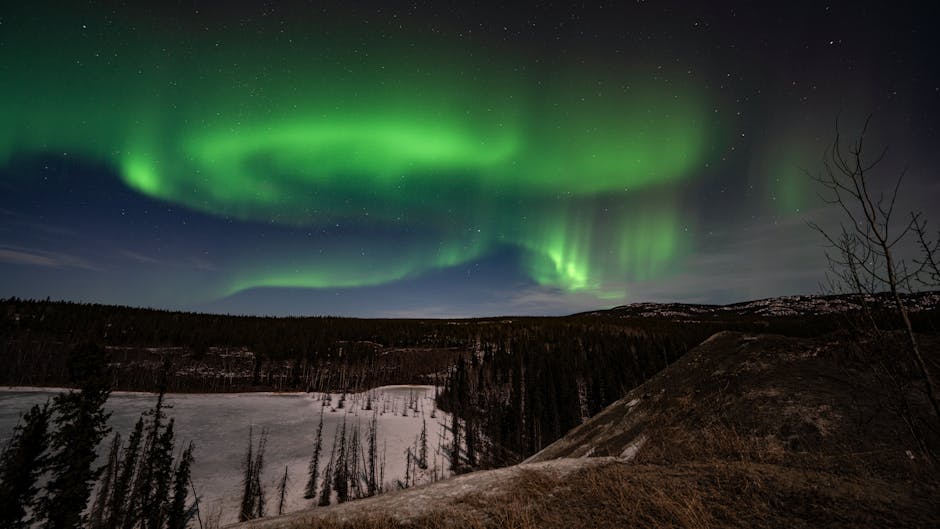
- November to March: Full aurora season. Temperatures regularly reach -20°C to -35°C. The landscape under deep snow is extraordinary on its own terms. Aurora Village and northern lights operations see peak demand here, particularly January and February, which offer the longest periods of darkness and the highest statistical probability of catching a strong display.
- April to May: River ice breakup is dramatic and visually striking. Many remote lodges are closed or in transition. Shoulder pricing applies. This is not the right season for fly-in fishing lodges like Inconnu, which open once floatplane routes are reliably clear of ice.
- June to July: Midnight sun. The light quality at high latitudes during this period is unlike anything at lower latitudes — golden and near-continuous. Mosquitoes are also unlike anything at lower latitudes. Peak bug season in the subarctic is not a minor footnote in the itinerary planning; it defines outdoor time materially. Quality lodges provide bug jackets and structure programming to minimize exposure, but if your instinct is to book June, late August delivers the same light advantages without the same insect pressure.
The practical guide: summer wilderness travelers should target August. Aurora seekers should target January to February for the highest probability of both clear skies and strong solar activity.
What These Stays Actually Cost
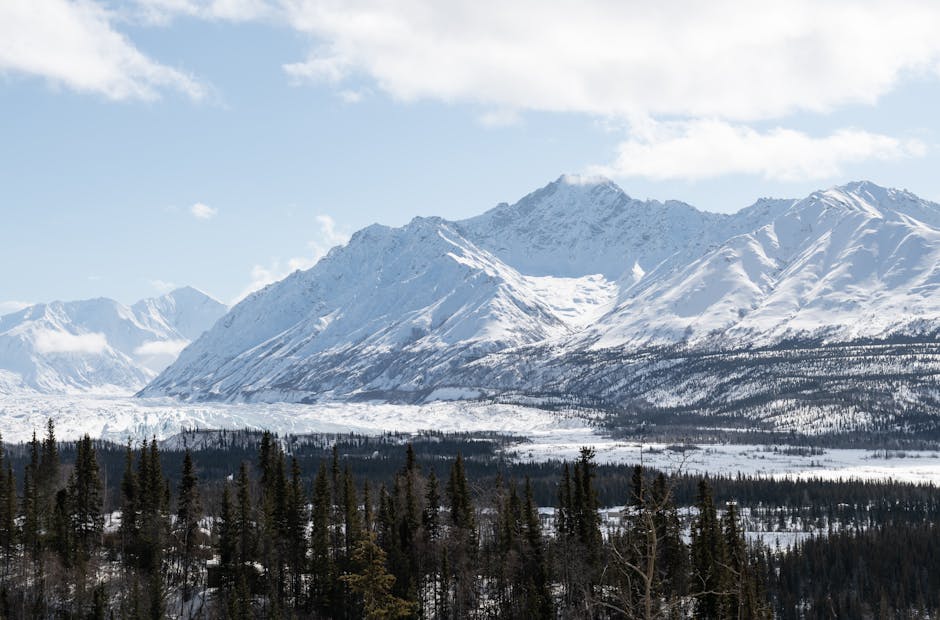
All-inclusive pricing at remote lodges is genuinely competitive once you account for what’s bundled. The per-day cost at Inconnu Lodge includes floatplane transfers that run $800 to $2,500 round-trip if booked separately — strip those out and the lodge rate itself looks reasonable by wilderness luxury standards.
| Category | Cost Range (CAD) | Typically Includes |
|---|---|---|
| Remote fly-in lodge (all-inclusive) | $5,000–$10,000+/week | Floatplane transfers, all meals, guiding, equipment |
| Guided wilderness camp (road access) | $1,000–$2,500/night | Meals, guiding, internal transfers |
| Aurora viewing cabins | $200–$500/night | Heated cabin, guided viewing, shuttle |
| Whitehorse boutique hotel | $180–$350/night | Room only, on-site restaurant |
| Floatplane charter (return trip) | $800–$2,500 | Varies by aircraft type and distance |
What Goes Wrong: Mistakes That Ruin Yukon Luxury Trips
The Yukon punishes poor logistics planning more than almost any other destination at this price point. The wilderness that makes these properties extraordinary also means transport delays, weather holds, and supply chain issues have no easy workarounds. Here’s where things actually go wrong.
Booking Tight Connections Around Floatplane Transfers
Fly-in lodges depend on weather windows. A weather hold in Whitehorse can push your floatplane departure by 24 to 48 hours with no alternative routing available. This is not exceptional — it’s regular. Travelers who book international connections with a single day of buffer before a remote lodge check-in miss flights or miss paid lodge days. Build a minimum of two buffer days into the Whitehorse portion of any fly-in lodge trip. It’s not optional padding; it’s structural insurance.
Treating Northern Lights as a Guaranteed Experience
Aurora Village and similar operations provide optimal viewing conditions. They cannot provide the aurora itself. Solar activity — specifically the Kp index — drives display intensity, and no forecast is reliable beyond 48 hours. A single-night aurora booking in January gives you roughly a coin-flip probability on a strong display. Book 5 to 7 nights to meaningfully improve your odds against cloudy nights and low solar activity cycles. Travelers who book two nights and see nothing have not been misled — they’ve underestimated the inherent variance of a natural phenomenon.
Arriving Without the Right Cold-Weather Gear
Most luxury Yukon winter properties provide insulated outerwear, but the assumption that all gear will be supplied has burned people before. Arriving at a wilderness camp at -25°C in city-grade footwear because the lodge would “have something” is a documented failure mode, not a hypothetical one. Confirm the full gear list before you pack. Ask specifically about footwear, base layers, and face protection — the properties that handle this well will have a clear answer ready.
Booking June Without Understanding Bug Season
Subarctic mosquito density in June and July is genuinely extreme. Lodges mitigate it with screened areas, head nets, and programmed outdoor timing, but it limits spontaneous outdoor time in ways that matter when you’re paying $1,500 per night for wilderness access. Late August has essentially all the benefits of summer Yukon — long light, stable weather, peak wildlife activity — with a fraction of the insect pressure. The difference between a June week and an August week at Norden Camp is not subtle.
The Yukon wilderness lodge market will stay small by design. The properties operating here are viable precisely because they haven’t scaled — exclusivity and ecological sensitivity are baked into the business model. As interest in remote wilderness travel continues to grow, the gap between demand and available inventory at quality properties will only widen. The reservation lead times already reflect that pressure. If the Yukon is on your list, sooner tends to be better than later.